



Introduction
Using Swim Fins for Training can feel confusing at first. I remember my first few sessions. My ankles hurt, my kick felt awkward, and I was not sure if I was actually building strength or just tiring myself out. Many swimmers face the same challenges, including choosing the right fin, knowing how to swim with fins, and avoiding pain or bad habits. Understanding how fins truly work makes a big difference before you start swimming with them regularly.
When used correctly, fins can improve leg strength, kick technique, and body position. I have worked with beginners and competitive swimmers, and I have seen how the right fin and drills can take a swimmer from struggling with technique to feeling more confident in the water. In this guide, you will learn how to use swim fins properly and how to include them safely in your training.
Key Takeaways Box
- Warm-up with short fins
- Limit fins to 20-30% of session
- Focus on kick from the hip
- Choose the right fin for your training goal
- Mix drills with and without fins

What Swim Training Fins Do
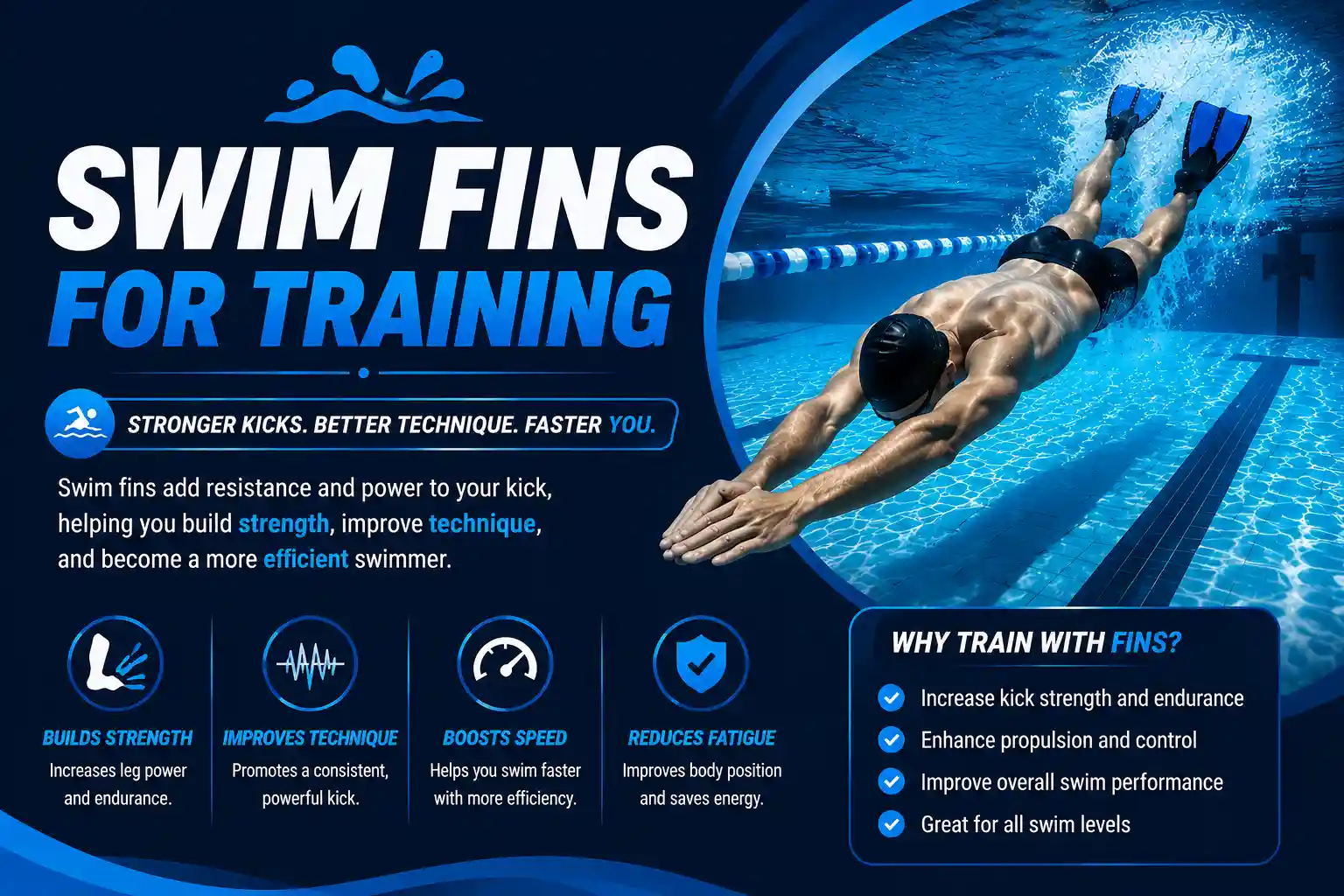
Fins change how your legs work in the water. They allow you to kick harder without tiring your whole body and help your body stay in the right position.
Benefits of training fins:
- Build leg strength and endurance.
- Improve kick technique and rhythm, which are essential parts of good Swimming Stroke Techniques.
- Increase speed in the water.
- Help with ankle flexibility.
Using fins smartly can make your workouts more effective and enjoyable.
Who Should Use Swim Fins
Different swimmers have different needs.
- Beginners: Use fins to learn kick technique and improve body position while practicing the best swimming strokes for beginners.
- Intermediate swimmers: Use fins to build strength and improve speed.
- Competitive swimmers: Focus on performance drills and sprint sets.
- Triathletes: Improve leg strength and maintain efficiency for long swims.
For beginners, swim fins are one of the easiest training tools to use and can be a useful part of the Best Swimming Gear for Beginners.
Always match your fin choice to your goals.
Types of Swim Fins
There are three main types: short, medium, and long fins. Each one serves a different purpose.

Short Fins:
- Ideal for beginners and technique drills.
- Keep your kick natural.
- Reduce dependency on fins.
Medium Fins:
- Balance between strength and technique.
- Suitable for general workouts.
Long Fins:
- Build leg strength and speed.
- Stiffer and harder to kick.
- Best for advanced swimmers.
Material Note:
- Silicone fins are soft and flexible.
- Rubber fins are stiffer and better for power.
How to Choose the Right Fins
Choosing fins is more than picking a color or brand. A well-fitting pair of fins is an important part of choosing the right swimming gear for safe and effective training. Consider fit, stiffness, and purpose.
Fit and Comfort:
- Snug but not tight.
- Soft foot pockets for sensitive feet.
- Try different sizes if possible.
A common question is how should swimming fins fit? Your fins should feel snug and secure without squeezing your toes or causing painful pressure. Fins that are too loose can rub against your feet, while fins that are too tight may cause blisters or discomfort during longer training sessions.
Purpose:
- Beginners: short fins.
- Strength training: long fins.
- Technique improvement: medium fins.
Matching the fin to your goals prevents injury and improves results.
Using Fins in Your Training
Knowing how and when to use fins is key.

Training Structure:
- Warm-up: Spend 5-10 minutes with short fins as part of your swimming warm-up routines before starting harder sets.
- Main Sets: Medium or long fins for speed or leg strength.
- Drills: Side kick, dolphin kick, or single-leg kick.
Tips:
- Do not overuse fins in every set.
- Watch your technique.
- Mix sets with and without fins.
Sample Training Plan:
- Beginners: 2-3 sessions per week, 5-10 minutes per fin set.
- Intermediate: 3-4 sessions per week, include medium fins in main sets.
- Advanced: 4-5 sessions per week, long fins for sprint and strength sets.
As your fitness improves, gradually increase your training volume instead of adding too much distance at once. This approach can also helps you Improve Swimming Endurance safely.
Swimming With Fins Workout Example
A simple swimming with fins workout can help you practice kicking, body position, and stroke technique in the same session. If you are new to fins, start with a controlled workout instead of using them for your entire swim.
Try this simple session:
- 200 meters easy swimming without fins.
- 4 × 50 meters easy kicking with fins.
- 4 × 25 meters side kick drill with fins.
- 4 × 50 meters freestyle swimming with fins at a comfortable pace.
- 100 meters easy swimming without fins.
Keep the effort comfortable and focus on good technique. This type of swim training with fins allows you to practice both kicking and full-stroke swimming without becoming too dependent on the equipment.
Drill Examples With Fins

Here are some drills to try with fins. These exercises work even better when combined with other swimming stroke drills that improve balance, timing, and coordination.
- Side Kick Drill: Lie on your side, one arm stretched forward, and kick using the fin. Switch sides after 20-30 seconds. Helps with balance and body position.
- Vertical Kicks: Tread water with fins, keep your body straight, and kick from the hip. Great for leg strength.
- Dolphin Kick Drill: Use both legs together like a dolphin kick with fins. Focus on rhythm and core engagement.
- Single-Arm Swim: Swim with one arm while using fins. Switch arms each length. Helps with stroke technique.
Tip: Do each drill 2-3 times per set and always focus on form.
Drill Summary Table
| Drill | Focus | Reps |
|---|---|---|
| Side Kick Drill | Balance and body position | 2-3 per side |
| Vertical Kicks | Leg strength | 2-3 sets |
| Dolphin Kick Drill | Rhythm and core | 2-3 sets |
| Single-Arm Swim | Stroke technique | 2 lengths per arm |
Swimming With Fins Technique
Good swimming with fins technique starts with a relaxed and controlled kick. Fins increase the surface area of your feet, so kicking too hard or bending your knees too much can make your movements less efficient.
Keep your legs long and relaxed, and generate the kick from your hips instead of only your knees. Your ankles should remain loose so the fins can move naturally through the water. Try to maintain a steady rhythm rather than making large, uncontrolled kicks.
Learning how to swim with fins properly helps you get the benefits of extra resistance while maintaining a natural swimming technique. Fins should support good form, not hide technique problems.
How Fast Can You Swim With Fins?
Swim fins can help you move through the water faster because they increase the surface area of your feet and produce more propulsion with each kick. However, how fast you swim with fins depends on your technique, fitness level, swimming stroke, and the type of fins you use.
Longer fins may produce more propulsion, while short fins usually allow for a faster and more natural kick rhythm. Swimming faster with fins does not always mean you will swim faster without them, which is why it is important to include regular swimming without fins in your training.
Use fins as a tool to improve your kick and technique, then practice those skills without fins to measure your natural progress.
Pros and Cons of Swimming With Fins and Safe Training Guidelines
Swimming with fins has several benefits, but they are most useful when fins are used in moderation and with proper technique.
Pros of Swimming With Fins
- Can help improve kicking strength and endurance.
- Allows swimmers to move faster through the water.
- Supports kick drills and stroke technique practice.
- Can help swimmers work on ankle flexibility.
- Adds variety to regular swim training.
Cons of Swimming With Fins
- Too much fin training may cause ankle or calf strain.
- Poor-fitting fins can cause blisters and toe pain.
- Using fins in every workout may affect your natural kick rhythm.
- Long or stiff fins can be difficult for beginners to control.
A good approach is to use fins for selected parts of your workout rather than every length. Mix fin sets with regular swimming so you continue developing a strong and natural kick.
Using fins is safe if done correctly. Watch out for:
- Ankle strain from too much fin time or long blades too early.
- Blisters or toe pain from tight or poor-fitting fins.
- Loss of natural kick rhythm if used in every set.
Safe Guideline: Use fins for about 20-30% of your total swim distance. Mix fin and no-fin sets.
Warm-Up and Cool-Down Examples
Warm-Up with Fins:
- 5-10 minutes using short fins.
- Easy kick to get legs moving and body aligned.
Drill Portion:
- Medium fins for technique drills or speed sets.
- Focus on proper kick and stroke.
Cool-Down:
- Swim without fins for 3-5 minutes.
- Light kick and easy strokes to relax muscles.
Stroke-Specific Notes

Fins are not just for freestyle. You can use them for:
- Butterfly: Dolphin kicks with fins improve rhythm and strength, making them a useful training aid for swimmers practicing butterfly stroke tips.
- Backstroke: Fins help keep hips high and kick steady while reinforcing the skills explained in backstroke techniques.
- Breaststroke: Specialty or short fins can assist with kick timing.
Using fins for different strokes improves overall swimming performance.
Kick From the Hip Reminder
Good kicks come from your hips not just your knees.
- Keep legs long and relaxed.
- Generate power from the top of your legs.
- Avoid knee strain and improve efficiency.
Common Mistakes to Avoid
People often make the same mistakes. Avoid these:
- Too much fin time can hurt ankles and rhythm.
- Wrong blade length short fins for strength do not work well.
- Poor fit causes blisters or toe pain.
- Ignoring technique can lead to sloppy kicks, so it is important to keep working on your swimming technique throughout training.
Fixing these mistakes keeps you safe and improves results.
Tips From Coaches and Experienced Swimmers
- Start with short fins if you are new.
- Gradually switch to longer fins as you improve.
- Listen to your body; ankles and calves tire fast.
- Combine fins with kickboards, pull buoys, or swim paddles to add variety to your training and focus on different parts of your stroke.
- Watch your stroke and body alignment while using fins.
Do Swim Fins Build Muscle?
Swim fins add resistance to your kicking, which makes your leg muscles work harder in the water. Regular fin training can help improve muscular endurance and may support strength development in the legs, hips, and calves.
However, swimming with fins is not a replacement for a complete strength-training program. The results you get depend on your workout intensity, training volume, technique, and overall fitness routine.
For most swimmers, fins work best as one part of a balanced training plan that includes regular swimming, technique drills, and strength-focused exercises.
Product Recommendations
| Type | Best For | Notes |
|---|---|---|
| Short Fins | Beginners, technique | Easy to kick, gentle on ankles. |
| Medium Fins | General training | Balanced strength and technique. |
| Long Fins | Advanced, speed | Build leg power, stiff blade. |
Budget Tip: Comfort and fit matter more than brand. You do not need the most expensive fins.

Final Thoughts
From my experience and coaching swimmers, Swim Fins for Training are more than tools. I have seen swimmers go from weak sloppy kicks to confident rhythmical strokes by using fins correctly with structured drills. The key is balance, using fins enough to get results but not so much that you lose your natural kick.
Your choice of fin, fit, and workout plan all matter. If your goal is to compete, learning how to use fins correctly can also support your training for swimming competitions by improving kick strength, speed, and overall efficiency. Experiment with short, medium, and long fins, and focus on technique with every drill. With patience and consistent practice, fins can transform your training, improve speed, and make every swim session more efficient and powerful.

