



Introduction
Choosing the Best Wetsuits for Open Water Swimming can feel confusing, especially for beginners. Many swimmers buy a wetsuit expecting comfort and confidence, only to struggle with tight shoulders, restricted breathing, overheating, or cold water flushing inside the suit. I have seen swimmers leave the water frustrated because the wetsuit felt heavy, stiff, or uncomfortable after only a short swim. Open water already feels harder than pool swimming, so wearing the wrong wetsuit can quickly turn a relaxing swim into a stressful experience.

After studying open water swimmers, reviewing wetsuit problems, and comparing different swim wetsuits, one thing becomes very clear. The best wetsuit is not always the most expensive or the fastest one used by elite racers. A good swim wetsuit should help you feel calm, warm, flexible, and confident in the water. Shoulder comfort, buoyancy, thermal protection, and proper fit matter far more than flashy marketing claims. In this guide, I will break down what swimmers actually need, which mistakes to avoid, and how to choose a wetsuit that feels comfortable during real open water swimming sessions.
Why Wear a Wetsuit for Open Water Swimming?
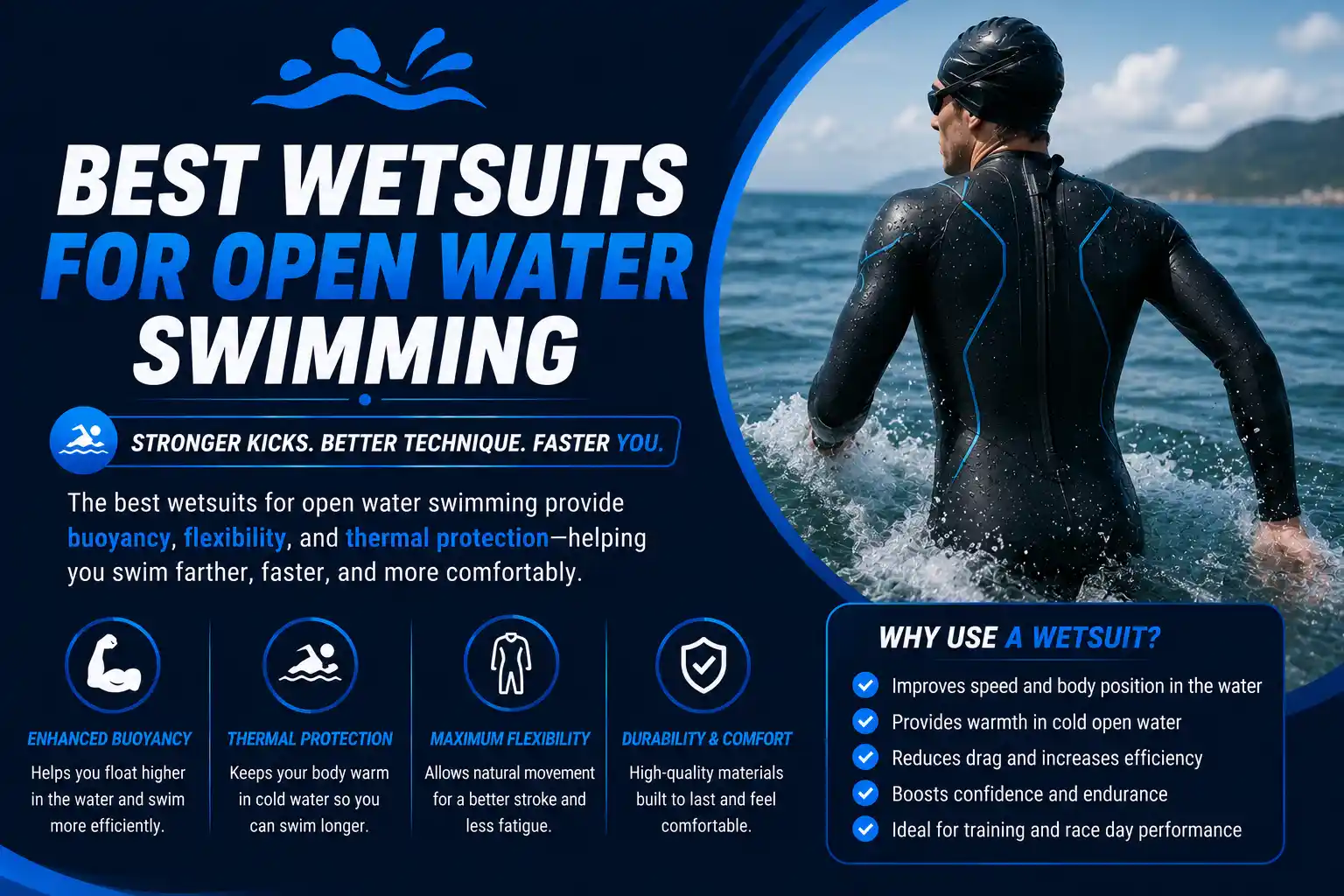
A swim wetsuit does much more than keep you warm.
Benefits:
- Buoyancy
- Body position
- Confidence
- Warmth
- Swim comfort
- Open water safety
Many swim wetsuits help lift the hips and legs higher in the water. This improves balance and reduces fatigue during longer swims.
A wetsuit is only one piece of your swimming setup. Learning how to choose the right swimming gear helps ensure every piece of equipment works together for a safer and more comfortable open water experience.
| Wetsuit | Best For | Thickness | Flexibility | Water Temperature |
|---|---|---|---|---|
| Orca Openwater Core Hi Vis | Beginners | 3mm | High | Cool water |
| Blueseventy Thermal Reaction | Cold water swimming | 5mm | Medium | Cold water |
| Zone3 Aspire Thermal | Long distance swimming | 4mm | High | Cold to cool water |
| Huub Alta Thermal | Comfort and warmth | 5mm | Medium | Very cold water |
| Synergy Endorphin Fullsleeve | Budget swimmers | 3mm | Medium | Cool water |
What Makes a Good Open Water Swimming Wetsuit?
Not all wetsuits are made for swimming. Some are designed for surfing or racing. A proper swim wetsuit should allow natural movement in the water.
Key Features:
Flexibility
- Flexible neoprene around shoulders and chest improves stroke mobility.
- Prevents shoulder fatigue during long swims.
Buoyancy
- Helps lift hips and legs.
- Improves body position and reduces drag.
Warmth
- Thermal protection for:
- Long swims
- Early morning sessions
- Cold lakes
- Ocean swimming
- Too thick wetsuits reduce flexibility and may overheat.
Comfort
- Should feel snug but allow normal breathing.
- Chest and shoulders should not feel restricted.
Swim Wetsuit vs Surf Wetsuit

| Feature | Swim Wetsuit | Surf Wetsuit |
|---|---|---|
| Shoulder Flexibility | Higher | Lower |
| Buoyancy | Swim focused | Surf focused |
| Stroke Movement | Easier | Restrictive |
| Long Distance Comfort | Better | Poorer |
Swim wetsuits are better for open water as they focus on movement and hydrodynamics.
How a Swim Wetsuit Should Actually Fit
Signs of a Good Fit
- No large wrinkles
- No loose water pockets
- Comfortable chest pressure
- Full shoulder movement
- Secure neck seal

Signs the Wetsuit Is Too Tight
- Restricted breathing
- Shoulder pain
- Tingling arms
- Neck discomfort
- Difficulty raising arms
Signs the Wetsuit Is Too Loose
- Water flushing inside
- Wrinkles behind knees
- Loose lower back area
- Poor buoyancy support
Light neck pressure is normal.
Best Wetsuits for Open Water Swimming
1. Orca Openwater Core Hi Vis
Best For Beginners
Pros:
- Comfortable fit
- Easy shoulder movement
- Bright visibility panels
- Beginner friendly buoyancy
Cons:
- Less speed focused
- Not ideal for racing
If this is your first wetsuit, pairing it with other beginner swimming gear can make your first open water sessions much more comfortable.
2. Blueseventy Thermal Reaction
Best For Cold Water Swimming
Pros:
- Excellent warmth
- Good buoyancy
- Strong cold water protection
Cons:
- Slightly heavier feel
- Warmer in mild conditions
3. Zone3 Aspire Thermal
Best For Long Distance Swimming
Pros:
- Strong shoulder flexibility
- Balanced buoyancy
- Comfortable for distance swimming
A quality wetsuit supports longer swims, but building stamina is just as important. Learning how to improve swimming endurance helps you stay comfortable during extended open water sessions.
Cons:
- Higher price
- Slight learning curve for beginners
4. Huub Alta Thermal
Best For Maximum Warmth
Pros:
- Very warm
- Comfortable fit
- Strong buoyancy support
Cons:
- Less flexible than thinner wetsuits
- Can overheat in warmer water or long hard swims
5. Synergy Endorphin Fullsleeve
Best Budget Option
Pros:
- Affordable price
- Decent flexibility
- Good beginner option
Cons:
- Less premium neoprene
- Lower long term durability
Common Wetsuit Problems
- Shoulder fatigue due to stiff neoprene
- Restricted breathing from tight chest
- Overheating from thick neoprene
- Water flushing from loose fit
- Neck chafing from poor fit
- Panic feeling due to chest compression
Some beginners mistake normal wetsuit pressure for breathing problems. Learning practical ways for overcoming swimming anxiety can help you stay calm while getting used to your wetsuit.

Prevention Tips
- Use anti-chafing balm on neck and underarms
- Ensure correct fit around shoulders
- Check zippers for rubbing
- Practice in your wetsuit before race day
Wetsuit Thickness Guide
| Thickness | Best For |
|---|---|
| 2mm | Warm water swimming |
| 3mm | Mild to cool water |
| 4mm | Cold water swimming |
| 5mm | Very cold water |
Water Temperature Recommendation
| Water Temperature | Recommended Thickness |
|---|---|
| 70°F+ | 2mm |
| 60-70°F | 3mm |
| 50-60°F | 4mm |
| Below 50°F | 5mm |
Full Sleeve vs Sleeveless
Full Sleeve:
- Maximum warmth
- Better buoyancy
- Good for cold water
Sleeveless:
- Shoulder freedom
- Reduces overheating in mild conditions
Putting On a Swim Wetsuit
- Pull legs up slowly.
- Adjust shoulders carefully.
- Protect neoprene from nails.
- Check neck fit.
Open Water Swimming Tips
- Start with short swims
- Practice breathing calmly
- Swim with a group
- Enter cold water slowly
Before entering the water, spend a few minutes doing a swimming warm-up routine. Warming up your muscles can make the transition into cold water feel much easier.
- Practice in calm conditions first
Following basic swimming safety tips can help you prepare for changing weather, water conditions, and unexpected situations before every swim.
- Test wetsuit before race day
While testing your wetsuit, make sure your swimming goggles fit properly and provide a clear view in open water. Good visibility helps you swim with more confidence.

Quick Takeaways
- Choose swim specific wetsuits instead of surf wetsuits.
- 3mm wetsuits work well for most cool water swims.
- Shoulder flexibility matters more than many beginners expect.
- A wetsuit should feel snug but should not restrict breathing.
- Cheap wetsuits often feel stiff during long swims.
- Always test your wetsuit before race day.
Final Thoughts
After reviewing different swim wetsuits and studying real swimmer experiences, one thing stands out clearly. The best wetsuit for open water swimming is the one that helps you stay comfortable and confident in the water for long periods of time. Many swimmers focus too much on race speed or advanced features while ignoring fit, shoulder flexibility, and overall comfort. But during real swims, those factors matter the most. A wetsuit that feels restrictive or causes shoulder fatigue can quickly make open water swimming feel exhausting and frustrating.
From my personal experience, swimmers enjoy open water more when the wetsuit matches their skill level and swimming style. Beginners often do better with flexible and comfortable wetsuits instead of aggressive race focused suits. Experienced swimmers may care more about hydrodynamics and performance, but comfort still matters during long swims. If you plan to take part in swimming competitions, practicing in the same wetsuit before race day helps you feel more prepared and confident. The right wetsuit helps you feel warmer, more balanced, and more relaxed, which improves confidence and makes open water swimming enjoyable over time.

