



Introduction
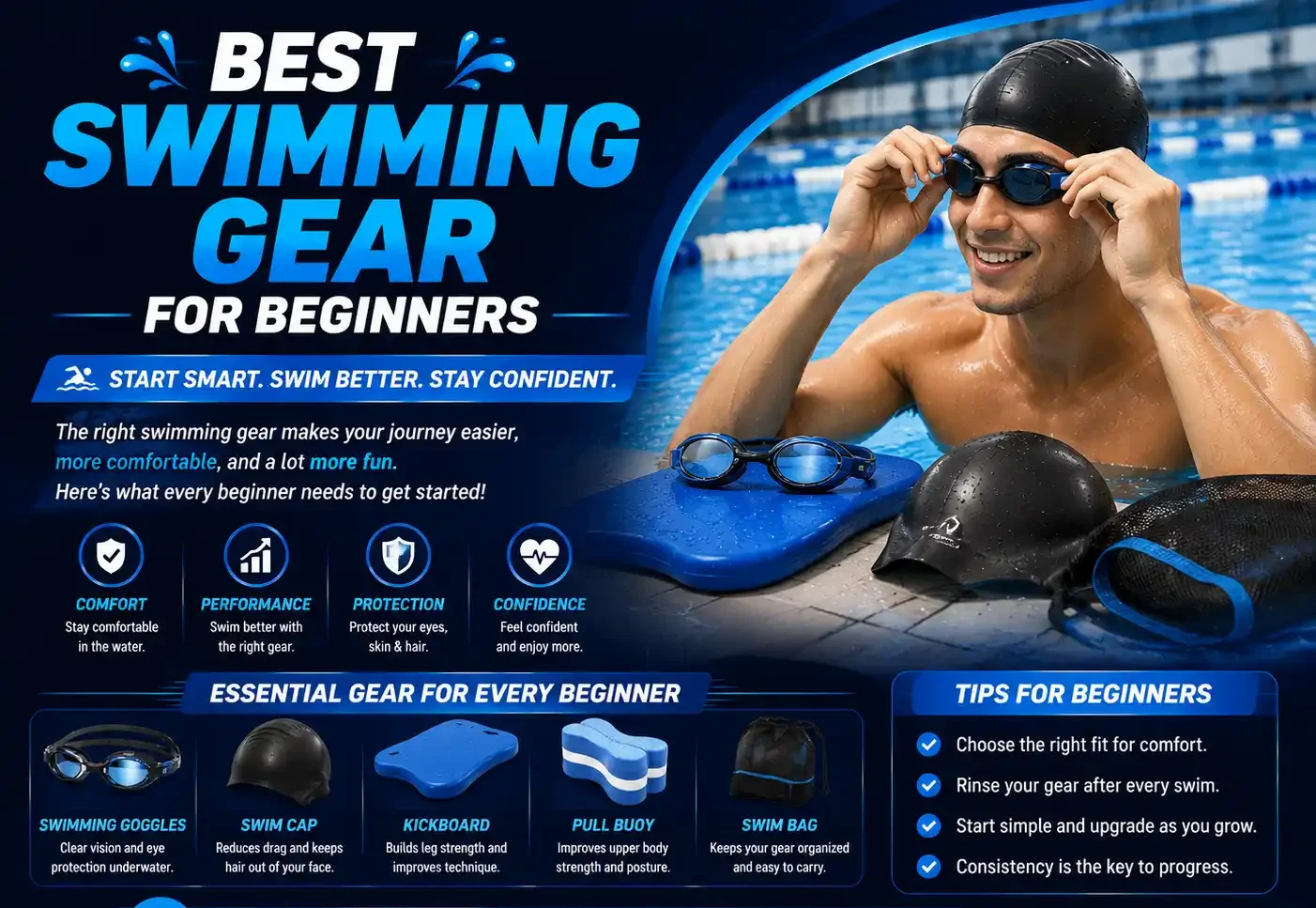
Starting swimming for the first time can feel overwhelming. You might be nervous about putting your face in the water, unsure how to breathe correctly, or worried about buying gear that doesn’t fit or feels uncomfortable. When I first learned to swim as an adult, I made mistakes picking the wrong goggles and cap, which made practice frustrating and even discouraged me. That’s why having the right tools matters. In this guide, I’ll walk you through the Best Swimming Gear for Beginners, so you can focus on learning instead of fighting your equipment.

What really helps beginners is knowing exactly what you need versus what you don’t. If you’re still learning the basics, understanding the best swimming strokes for beginners can make it easier to choose gear that matches your current skill level. From my experience teaching new swimmers, simple mistakes like buying the wrong swim cap or wearing ill-fitting goggles can slow progress. Here, I’ll share practical tips, personal insights, and gear recommendations that I’ve seen work time and time again, making your first swim sessions comfortable, safe, and enjoyable.
Quick Takeaways
- Start with essentials: swimsuit, swim cap, goggles.
- Comfort and fit matter more than brand.
- Optional gear like fins or kickboards comes later.
- Keep gear clean and dry for longevity.
- Hydrate before and after swim sessions.
Must-Have Swimming Gear
When you start swimming, focus on essentials first. These are the items that will make your sessions comfortable, safe, and stress-free.
Swimwear
- Choose something that fits snugly but is comfortable.
- For men, jammers or swim trunks work.
- For women, one-piece suits are best.
- Avoid loose clothes as they slow you down in the water.

Swim Cap
- Keeps your hair out of your face and protects hair from chlorine.
- Silicone caps are stretchy and durable.
- Latex caps are cheaper but tear easily.
- Lycra caps are soft but don’t keep water out.
- Pick a cap that feels snug but doesn’t pinch.
Goggles

- Protect your eyes from chlorine and improve visibility.
- Choose ones that fit your face shape.
- Anti-fog lenses help you see clearly.
- Tight goggles hurt, loose ones leak.
- Beginners often need to try a few styles before finding the right fit.
If you’re unsure which type to choose, our guide to swimming goggles explains the different styles, lens options, and features that beginners should look for.
Ear Plugs and Nose Clips
- Optional but useful for beginners.
- Ear plugs prevent water from getting into your ears.
- Nose clips stop water from entering your nose.
- They make learning easier if you are sensitive to water or new to swimming.
Training Aids for Beginners
Some gear helps you practice safely and improves technique faster. You don’t need everything at once, but here’s what helps most beginners.

Kickboard
- Helps focus on your legs.
- Practice kicking and improve balance.
Kickboards are commonly used during swimming stroke drills because they let you focus on building a stronger kick without worrying about arm movements.
Pull Buoy
- Keeps your legs afloat.
- Allows you to concentrate on arm movements.
Fins
- Improve leg strength and teach correct kicking.
- Help you swim faster, which boosts confidence.
Swim Paddles and Snorkels
- Advanced gear for building upper body strength and focusing on breathing.
- Only use them after learning the basic swimming stroke techniques, since good form should always come before advanced training equipment.
Comfort and Accessories
Some items make swimming easier and more enjoyable.

Swim Bag
- Keeps all your gear organized.
- Look for one with a wet/dry section.
Towels
- Fast-drying towels are practical.
- Poncho-style towels help beginners change easily at public pools.
Water Bottles
- Swimming can be tiring.
- Stay hydrated before and after sessions.
Pool Shoes
- Protect feet from slippery surfaces.
- Useful if you train often.
Fitness Tracker (Optional)
- Can help monitor laps and progress.
- Beginners don’t need it right away but it’s helpful for feedback.
Pool vs Open Water Note
- Most beginner gear is designed for pool swimming.
- For lakes or oceans:
- Consider wetsuits for temperature protection.
- Goggles with anti-glare lenses may help in sunlight.
- Ear plugs and nose clips are even more useful in open water.
How to Choose the Right Gear
- Fit and comfort matter more than brand.
- Try before you buy, if possible.
- Don’t buy advanced gear too early. Start with basics.
If you’re taking swim stroke lessons, simple gear like goggles, a swimsuit, and a swim cap is usually all you need during the early stages.
- Check price ranges. Budget gear works fine for beginners.
- Focus on comfort, usability, and durability.
Price Guidance for Beginner Gear
- Swimsuit / Swim Shorts: $20-$60
- Swim Cap: $5-$20 (silicone $10-$15)
- Goggles: $10-$40 (budget vs anti-fog options)
- Kickboard / Pull Buoy / Fins: $15-$50 each
- Optional Accessories (ear plugs, nose clip, towels, swim bag): $5-$40
Budget-friendly options are fine for beginners. Don’t overspend at the start.
Maintenance Tips for Beginner Gear
- Goggles: Rinse after every swim, store dry, avoid touching lenses.
- Swim Caps: Rinse with cold water, air dry, avoid overstretching.
- Swimsuits: Wash in cold water, hang dry, don’t leave wet in bags.
- Fins and Kickboards: Rinse and dry after each use.
Proper care keeps your gear clean and comfortable.
Common Beginner Mistakes
- Buying gear just because it looks cool.
- Using fins, paddles, or snorkels too early.
- Save advanced equipment for later if your goal is training for swimming competitions, since building proper technique should always come first.
- Choosing wrong-sized caps or goggles.
- Overbuying gear at the start.
- Forgetting to hydrate or bring towels.
Additional Beginner Mistakes
- Choosing board shorts instead of snug swimwear slows progress.
- Buying advanced gear too early can confuse technique.
- Forgetting to rinse and dry gear can damage it.
Beginner Gear Checklist
Must-Haves:
- Swimsuit
- Swim cap
- Goggles
Helpful But Optional:
- Kickboard
- Pull buoy
- Fins
- Ear plugs or nose clip
Accessories:
- Swim bag
- Towel
- Water bottle
Drill Summary Table
| Gear Item | Must-Have | Optional | Notes for Beginners |
|---|---|---|---|
| Swimsuit | ✅ | Fits snugly, comfortable | |
| Swim Cap | ✅ | Silicone preferred for long hair | |
| Goggles | ✅ | Anti-fog for clear vision | |
| Kickboard | ✅ | Helps practice leg kicks | |
| Pull Buoy | ✅ | Focus on arm strokes | |
| Fins | ✅ | Builds leg strength | |
| Swim Paddles | ✅ | Advanced; focus on arms | |
| Snorkel | ✅ | Advanced; helps breathing practice | |
| Ear Plugs / Nose Clip | ✅ | Useful if sensitive to water | |
| Swim Bag | ✅ | Organizes all gear | |
| Towels | ✅ | Quick-dry or poncho style | |
| Water Bottle | ✅ | Stay hydrated |

Final Thoughts
Choosing the right gear can change your swimming experience completely. I’ve worked with dozens of beginners and tested every piece of beginner gear personally, and what I’ve learned is that comfort and fit matter more than brand or price. With the Best Swimming Gear for Beginners, you can avoid common frustrations, move confidently in the water, and enjoy each session. Small details, like rinsing your goggles or picking the right cap, make a huge difference.
Remember, starting simple is key. Focus on the essentials first, build confidence, and then add optional items as you improve. As your confidence grows, you can also work on improving swimming endurance, helping you swim longer and feel more comfortable in the water. From my personal experience, swimmers who invest a little time in picking and caring for their gear feel more in control and progress faster. Use this guide, follow the tips, and you’ll find swimming becomes easier, more enjoyable, and something you’ll actually look forward to every time you hit the pool.

