



Introduction
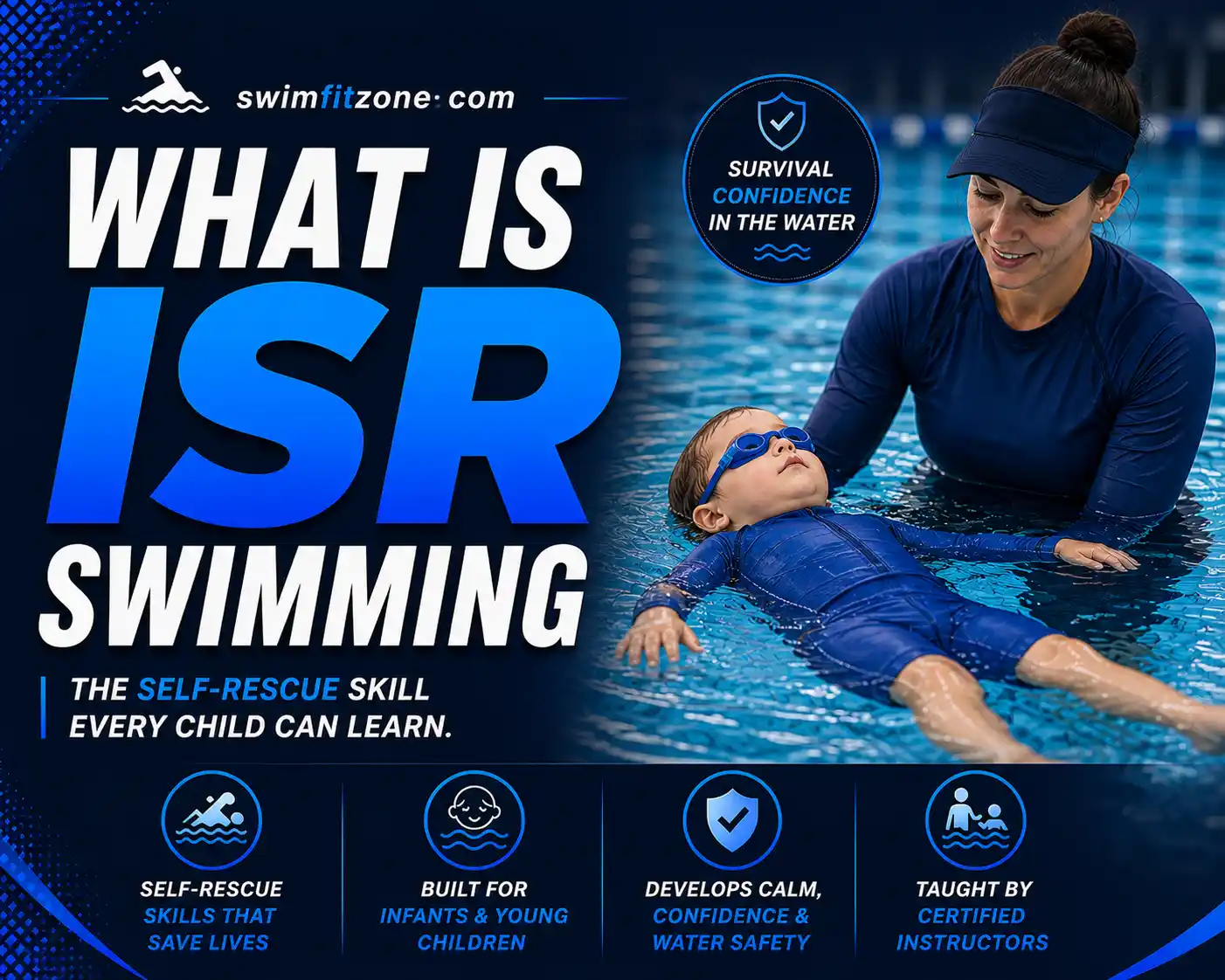
What is ISR swimming, and is it the right choice for your child? Many parents ask this question after hearing about ISR from friends, social media, or their local swim school. The biggest concern is usually water safety. A child can slip into a pool, lake, or even shallow water in just a few seconds. ISR, which stands for Infant Swimming Resource, is a survival focused swim program that teaches young children how to roll onto their back, float, breathe, and, when developmentally ready, use swim float swim skills. Its purpose is to teach self rescue skills, not competitive swimming.
As someone who has spent time researching swimming education and water safety, I have noticed that parents are looking for honest answers instead of marketing claims. They want to know if ISR is safe, what age children can start, how lessons work, and whether it is worth the investment. This guide explains what ISR swimming is, how it works, its benefits and limitations, and where it fits within a complete water safety plan. By the end, you will have the information you need to decide whether ISR is the right option for your family.
Key Takeaways
| ISR Meaning | Infant Swimming Resource |
| Main Goal | Teach age appropriate self rescue skills |
| Best Age | Around 6 months and older if developmentally ready |
| Lesson Style | Private one on one instruction |
| Main Skills | Roll, float, breathe, and swim float swim |
| Does It Replace Supervision? | No. Adult supervision is always essential. |
What Is ISR Swimming?
ISR swimming, short for Infant Swimming Resource, is a survival swimming program for infants and young children. It teaches age appropriate self rescue skills instead of traditional swim strokes. Depending on their stage of development, children learn to roll onto their backs, float, breathe, or use a swim float swim sequence to move toward safety. These skills are meant to add another layer of water safety and should always be combined with active adult supervision.
What Does ISR Stand For?

ISR stands for Infant Swimming Resource. The program was created to help young children learn practical survival skills in the water. Unlike many beginner swim classes, ISR does not begin with freestyle or other swimming strokes. Instead, it teaches skills that may help a child stay above water until help arrives.
The program was developed by Dr. Harvey Barnett after he became concerned about childhood drowning. His goal was to create a structured method that teaches children how to respond if they unexpectedly enter the water. Parents who want to learn more about the program can also visit the official Infant Swimming Resource website.
Why Was ISR Created?
Many drowning accidents happen quietly and within a short time. Young children are naturally curious, and even a small distraction can lead them toward water.
ISR was created to help children develop survival skills at an early age. The program focuses on teaching children how to float, breathe, and move safely in the water. While these skills can be valuable, they are only one part of a complete water safety plan that should also include close supervision, pool barriers, and safe water habits.
How Does ISR Swimming Work?
ISR lessons are different from traditional group swim classes. Every lesson is taught one on one by a certified instructor. This allows the instructor to adjust each lesson based on the child’s age, physical development, confidence, and learning pace.

Before lessons begin, parents complete a health questionnaire. The instructor reviews medical history, feeding schedules, medications, allergies, and any health conditions that may affect lessons. This helps create a lesson plan that matches each child’s individual needs.
Lessons are intentionally short, usually about 10 minutes. Young children learn best through short sessions because they can stay focused without becoming overly tired.
What Age Can a Child Start ISR Lessons?
The age at which a child can begin ISR lessons depends on the program’s requirements and the child’s individual development. Parents should speak with a qualified ISR instructor to determine whether their child is ready.
Age alone is not the only factor. A child’s physical development, health, and ability to participate in lessons should also be considered.
Before starting any swimming program, parents should discuss individual concerns with the instructor and, when needed, their child’s healthcare professional.
What Skills Do Children Learn?
The skills children learn depend on their age and physical development.
Younger infants usually learn how to:
- Roll onto their back.
- Float comfortably.
- Keep their face above the water.
- Rest while breathing.
This is often called the rollback to float technique.

Older children who are physically ready begin learning the swim float swim sequence. They practice swimming a short distance, rolling onto their back to rest and breathe, and then swimming again until they reach safety.
Floating is taught first because it helps children breathe, conserve energy, and stay above water while waiting for help.
Does ISR Teach Children How to Swim?
This is one of the biggest questions parents ask.
ISR teaches survival focused water skills rather than traditional swimming techniques. Its purpose is to help children respond to an unexpected water emergency.
Traditional swim lessons usually focus on freestyle, backstroke, breathing techniques, stroke development, and endurance. Many families choose traditional swim lessons after ISR so their children continue improving their swimming skills as they grow. When your child moves into regular swim instruction, following these beginner swim lesson tips can make learning easier and help build confidence in the water.
How Long Does ISR Training Take?
Most ISR lessons last about 10 minutes and are scheduled several days each week.
The total program length depends on the child’s age, confidence, previous water experience, and individual progress. Some children learn quickly, while others need additional time.
Every child develops differently, so instructors adjust lessons based on progress rather than following the same schedule for everyone.
Drill Summary
| Stage | Main Focus |
|---|---|
| 1 | Water adjustment |
| 2 | Floating skills |
| 3 | Rollback to float |
| 4 | Independent floating |
| 5 | Swim float swim for older children |
How Much Do ISR Lessons Cost?
The cost of ISR lessons can vary depending on your location, instructor, and the type of program offered.
Some instructors may charge for lessons as a package, while others may have different pricing structures. Refresher lessons may also involve an additional cost.
Before enrolling, ask the instructor about the full cost of the program, how often lessons take place, and whether refresher sessions may be needed later.
Because prices can change by location, it is best to contact a local ISR instructor for current pricing.
How Is ISR Different From Traditional Swim Lessons?

Although both programs help children become more comfortable around water, they have different goals.
ISR focuses on survival and self rescue skills. Traditional swim lessons focus on learning swimming strokes, improving technique, and building endurance.
| Feature | ISR Swimming | Traditional Swim Lessons |
|---|---|---|
| Main Goal | Teach self rescue skills | Teach swimming techniques |
| Lesson Format | Private one on one instruction | Usually group classes |
| First Skill Taught | Floating and self rescue | Basic swimming skills |
| Stroke Training | Not the primary focus | Main focus |
| Best For | Families seeking early water safety skills | Children learning to swim confidently |
Neither program is better for every family. The right choice depends on your child’s age, your family’s needs, and how often your child is around water.
Parents also play an important role during ISR lessons. They should follow feeding guidelines, share any health updates, arrive on time, and continue practicing safe water habits at home. Even after lessons are complete, children should never be left alone near water.
Many families begin with ISR to build early survival skills and later move on to traditional lessons that teach freestyle, backstroke, and other techniques. Once your child is ready, learning the best swimming strokes for beginners is a natural next step in their swimming journey.
Benefits of ISR Swimming
Many parents choose ISR because it focuses on practical survival skills during early childhood. While every child learns at a different pace, the program offers several potential benefits.
Teaches Early Water Survival Skills
The biggest goal of ISR is to teach children how to respond if they unexpectedly enter the water. Younger children learn to roll onto their backs and float, while older children may learn the swim float swim sequence.
Builds Water Confidence
As children become more familiar with the water, many grow more comfortable during future swim lessons. Learning one skill at a time can also help build confidence.
Personalized Instruction
Every lesson is taught one on one. This allows the instructor to adjust each session based on the child’s age, comfort level, and progress.
Supports a Complete Water Safety Plan
ISR can add another layer of protection for families who spend time around pools, lakes, rivers, or beaches. However, no swim program replaces active adult supervision, pool barriers, or safe water habits.
Possible Limitations Parents Should Know
ISR has helped many families, but it is important to understand its limits before making a decision.
The program focuses on survival skills rather than competitive swimming or stroke technique. Children who want to learn freestyle, backstroke, or other strokes will usually continue with traditional swim lessons as they grow older.
Some children adjust quickly, while others need more time to become comfortable in the water. Learning speed is different for every child.
Families should also be ready for a regular lesson schedule because consistent practice helps children build and maintain their skills.
Do Children Need Refresher Lessons?
Many children benefit from refresher lessons after long breaks from swimming or during periods of rapid growth. These sessions help reinforce previously learned skills and allow instructors to check that children can still perform their self rescue techniques with confidence.
The need for refresher lessons varies from child to child, so parents should discuss the best schedule with their instructor.
Is ISR Swimming Safe?
Safety is one of the first concerns parents have.
ISR lessons are taught by certified instructors who follow a structured teaching process. Lessons are short, and instructors closely monitor each child’s physical and emotional responses throughout the session.

Even so, no swimming lesson can completely remove the risk of drowning. Children should always be closely supervised whenever they are near water. Along with swim lessons, following essential swimming safety tips helps reduce risks at home, at the pool, and during family trips near water.
The safest approach combines swim lessons, active adult supervision, pool fences, self closing gates, life jackets when needed, and an emergency plan. The American Academy of Pediatrics water safety recommendations also encourage families to combine swim lessons with close supervision and other protective measures around water.
Is ISR Swimming Controversial?
Yes, ISR has received both praise and criticism over the years.
Many parents appreciate its focus on early survival skills and one on one instruction. Others question whether very young children are emotionally ready for structured survival lessons or prefer play based swim programs.
Some children may cry during parts of the learning process, while others remain calm throughout their lessons. Crying alone does not always mean a child is distressed or unable to learn. Parents who have concerns should speak with their instructor and watch how their child progresses over time.
The best approach is to learn about the program, ask questions, and choose the option that matches your child’s needs and your family’s goals.
Common Myths About ISR Swimming
Many people misunderstand what ISR actually teaches.
| Myth | Fact |
|---|---|
| ISR teaches babies to become expert swimmers. | ISR focuses on survival and self rescue skills. |
| Children become drown proof after ISR. | No child is drown proof. Adult supervision is always necessary. |
| ISR replaces regular swim lessons. | Many children continue with traditional swim lessons as they grow. |
| Parents no longer need to watch children around water. | Close supervision is always essential. |
Who Should Consider ISR Swimming?
ISR may be a good choice for families who:
- Have a backyard swimming pool.
- Spend time near lakes, rivers, or beaches.
- Enjoy boating or water activities.
- Want to introduce survival focused skills at an early age.
- Prefer private one on one instruction.
Children who are often around water may benefit from learning practical self rescue skills early in life.
Who May Prefer Traditional Swim Lessons?
Traditional swim lessons may be a better fit if your main goal is learning proper swimming strokes, improving technique, building endurance, or preparing for recreational or competitive swimming.
Many families combine both approaches by starting with ISR during early childhood and later enrolling their children in traditional swim lessons.
Questions to Ask Before Choosing ISR Lessons
Before enrolling your child, ask the instructor:
- What training and qualifications do you have?
- How do you assess whether a child is ready for lessons?
- How are lessons adjusted for each child?
- What safety procedures do you follow?
- How should parents prepare their child for lessons?
- When are refresher lessons recommended?
- What should parents expect during the first few lessons?
Clear answers can help you understand whether the program and instructor are a good fit for your child.
Is ISR Right for Your Family?
The right choice depends on your child’s needs and your family’s lifestyle.
ISR may be worth considering if your child spends time around pools or other open water and your priority is learning survival focused water skills.
If your goal is stroke development or long term swimming performance, traditional swim lessons will still play an important role.
Before enrolling, ask whether the instructor is certified, how your child’s progress will be measured, and whether refresher lessons are recommended after completing the program. If you are still comparing different programs, learning how to choose the best swim lessons for kids can help you find the right option based on your child’s age, confidence, and learning goals.
What Happens After ISR?

Completing ISR is only one step in a child’s swimming journey. As children grow, many families enroll them in traditional swim lessons to develop stronger swimming skills, improve endurance, and build confidence in different water environments.
Parents should also continue practicing safe water habits, encourage regular swimming, and schedule refresher lessons when appropriate. These steps help children maintain the skills they have learned over time.
Final Thoughts
So, what is ISR swimming? It is a survival focused program that teaches young children practical self rescue skills around water. From my experience researching swimming education and water safety, the biggest value of ISR is that it prepares children to respond if they unexpectedly enter the water. At the same time, parents should understand that it is not a replacement for traditional swim lessons or active adult supervision.
The strongest water safety plan always uses several layers of protection. In my view, ISR works best alongside close supervision, pool barriers, safe water habits, and continued swim education as children grow. Choosing the right program comes down to your child’s needs, your family’s lifestyle, and how often your child is around water. A balanced decision based on facts will always serve your child better than relying on opinions alone.

