



Introduction
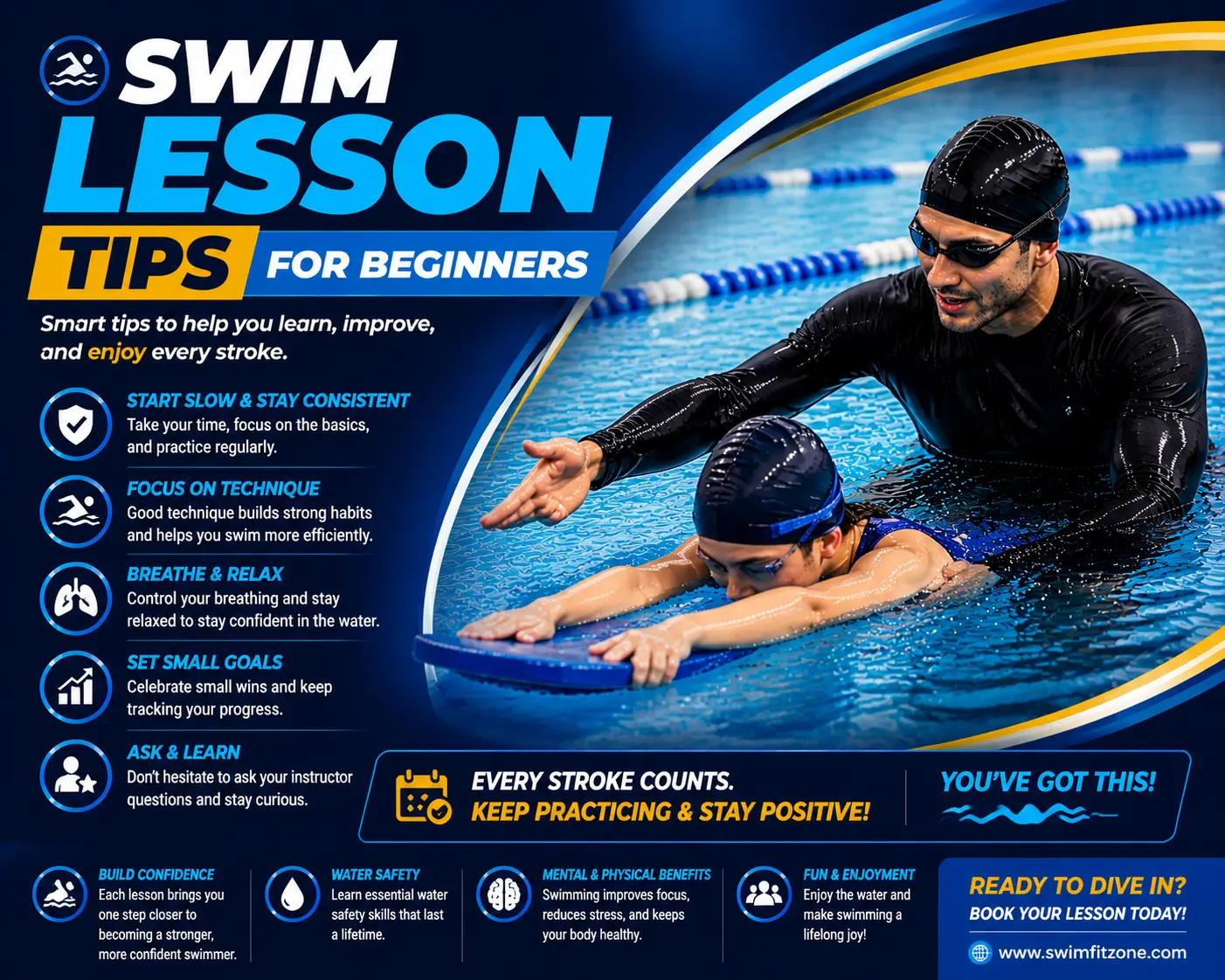
Learning to swim for the first time can feel overwhelming. Water can feel intimidating, your muscles may tire quickly, and it is easy to get frustrated when progress seems slow. I have worked with beginners of all ages, and I know exactly how it feels to struggle with floating, kicking, and breathing at the same time. That is why I have put together these Swim Lesson Tips for Beginners to help you navigate your first lessons with confidence and reduce common frustrations that stop many people from continuing.
Here is the thing: small, structured steps make a huge difference. By focusing on realistic goals, practicing simple drills, and understanding the mistakes most beginners make, you can turn fear into skill. These tips are based on years of coaching experience, real beginner feedback, and proven swim instruction methods. You will get clear guidance you can follow from day one, whether you are learning for safety, fitness, or fun.

What to Expect in Your First Swim Lesson
Knowing what happens in a lesson reduces fear. Most first lessons follow a pattern.
- Meet your instructor and see the pool.
- Warm-up exercises to get used to the water.
- Breathing and floating practice.
- Basic kicking and short strokes.
- Cool-down and recap.
Knowing this ahead of time helps beginners feel confident.
How to Prepare for Swim Lessons
Preparation matters. Bring:
- Swimsuit and towel.
- Goggles that fit well.
- Swim cap optional but helpful.
- Water bottle.
- Optional kickboard or floaties for practice.
Parents: Pack extra clothes for kids and encourage calm, positive support.
Core Swimming Skills
Getting in and Out of the Water
Step in slowly. Hold the edge if needed. Small steps make beginners feel safe.
Floating

Front float face in water body relaxed.
Back float arms spread face up.
Common mistake: Holding your breath and stiffening your body. Relax and stay calm.
Body Position Tips
Your body position in the water is very important. Keep your body as straight as possible, like a horizontal line from your head to your hips. Slightly lower your chest to keep your legs up. Look down at the bottom of the pool, not straight ahead. This helps you float better and swim more efficiently.
Good alignment is one of the foundations of strong swimming stroke techniques and becomes more important as your skills improve.
Common mistake: Lifting your head while breathing makes your legs sink and slows you down.
Kicking

Point your toes and keep knees slightly bent.
Practice with or without a kickboard.
Head and Eye Position
When swimming, keep your head low and eyes looking slightly down. Don’t lift your head too high. This keeps your body aligned and legs floating. Good head position also makes breathing easier.
Tip: Think of your head as an extension of your spine. Keep it relaxed.
Breathing
Exhale underwater inhale above water.
Keep a rhythm breathe in then breathe out.
Common mistake: Holding your breath causes panic.
Rhythmic Breathing Practice

Practice a simple breathing pattern:
- Exhale underwater slowly through your nose or mouth.
- Turn your head briefly to the side and inhale.
- Repeat every few strokes.
Start by practicing this while holding the wall or during short floats. This helps beginners stay calm and avoid swallowing water.
Coordinating Limbs and Strokes
- Start with freestyle or backstroke. These are often considered the best swimming strokes for beginners because they are relatively easy to learn and help build confidence in the water.
- Use small, controlled movements.
- Rotate your body for better efficiency.
Warm-Up Drill Sequence
Start every lesson with short, easy drills to get used to the water. Following proper swimming warm-up routines before the main lesson can help prepare your muscles and make practice more comfortable and effective.
Blow bubbles: Exhale underwater then inhale above water.
Bobs: Submerge your head then come up repeat 5–10 times.
Wall kicks: Hold the pool edge and kick legs for 10–20 seconds repeat 2–3 times.
Supported floats: Use a kickboard or instructor support to float on front or back.
These drills prepare your body and mind for the main lesson.

Step-by-Step Lesson Progressions
Here is a simple roadmap:
Day 1: Enter water blow bubbles float front kick with help.
Week 1: Face in water front float back float.
Week 2: Simple strokes coordinate breathing.
Ongoing: Swim small distances refine strokes build confidence.
Common Mistakes and How to Fix Them
Fear of water: Start shallow. Take small steps.
Poor breathing: Practice exhaling underwater. If you continue struggling with breathing and coordination, focus on exercises that help improve swimming technique gradually.
Leg sinking: Keep head down and use your core.
Overkicking: Use smooth controlled kicks.
Floating errors: Relax don’t stiffen your body.
Head lift while breathing: Keep head low eyes down.
Gear Guidance
Essential gear
Goggles to see underwater.
Swim cap to keep hair away.
Kickboard or floaties only if they help learning.
Avoid
Floatation devices that make learning strokes harder.
Snorkels or masks too early.
Safety and Confidence Tips
- Swim with supervision or an instructor. Following basic swimming safety tips can help beginners stay safe and feel more comfortable in the water.
- Know pool rules and emergency procedures.
- If you panic, roll onto your back and focus on slow, steady breathing. If fear continues to hold you back, learning strategies for overcoming swimming anxiety can help you build confidence in the water.
- Take breaks if you feel tired.
- Track small improvements to stay motivated and celebrate your progress.
Quick Drills for Beginners
Blow bubbles exhale underwater inhale above.
Kick while holding the edge 10-20 seconds repeat three times.
Float and glide push off the wall glide relax.
Swim short distances 5-10 meters with breathing practice.
These beginner exercises work well alongside structured swim stroke drills that improve coordination and body control.
Key Takeaways:
- Keep body horizontal chest slightly down for better alignment.
- Exhale underwater inhale at the side for smooth breathing.
- Start shallow and progress step by step.
- Practice short drills regularly to build confidence.
- Focus on small improvements and track progress.
Drill Summary Table
| Lesson | Drill / Skill | Notes |
|---|---|---|
| Day 1 | Blow bubbles front float assisted kick | Focus on comfort in water. |
| Week 1 | Back float face in water short freestyle strokes | Build breathing rhythm. |
| Week 2 | Coordinate arms and legs swim 5–10m | Gradually increase distance. |
| Ongoing | Small distance strokes refine technique | Track progress weekly. |

Reassurance and Confidence
Learning to swim takes time. It is normal to feel anxious or struggle at first. Progress is different for everyone. Celebrate small wins like floating longer kicking farther or breathing smoothly.
Ask your instructor for guidance if you feel stuck. Confidence grows with practice so keep going even if it feels slow.
Beginner Swim Lesson Q&A
Q1: How do I stay calm in the water if I feel scared?
Start in shallow water and take small steps. Practice floating and blowing bubbles first. Slowly progress to short kicks and short strokes. Focus on exhaling underwater it keeps you relaxed.
Q2: How should I breathe while swimming?
Exhale continuously underwater through your nose or mouth. Turn your head briefly to the side and inhale. Practice this rhythm during drills floats and short strokes.
Q3: What common mistakes should I avoid as a beginner?
Legs sinking lifting your head too high holding your breath and over kicking are the most common. Keep your body horizontal chest slightly down head relaxed and kicks smooth.
Q4: How do I practice between lessons?
Use short simple drills: blow bubbles bobs wall kicks and supported floats. Swim 5-10 meters focusing on body alignment and breathing rhythm. Repeat a few times but keep sessions short.
Q5: How long does it take to see progress?
Many beginners notice improvement in 4-6 weeks with regular lessons and practice. Track small wins like longer floats better kicks and smoother breathing. Consistency is key.

Final Thoughts
Learning to swim is more than just technique; it is about building confidence and enjoying the water safely. From my experience, beginners often make faster progress when they combine structured lessons with short, consistent practice. By following these Swim Lesson Tips for Beginners, paying attention to body position, breathing, and simple drills, you will notice steady improvements that feel encouraging rather than overwhelming. As your confidence grows and swimming becomes more comfortable, you can gradually increase the distance you swim and focus on ways to improve swimming endurance.
What this really means is that swimming is a skill anyone can master with the right guidance and mindset. I have seen adults overcome fear and kids gain confidence in just a few lessons by following these steps. Stick with your practice track your progress and remember that every small improvement counts. With persistence and the right approach swimming becomes a natural enjoyable skill that will stay with you for life.

