



Introduction
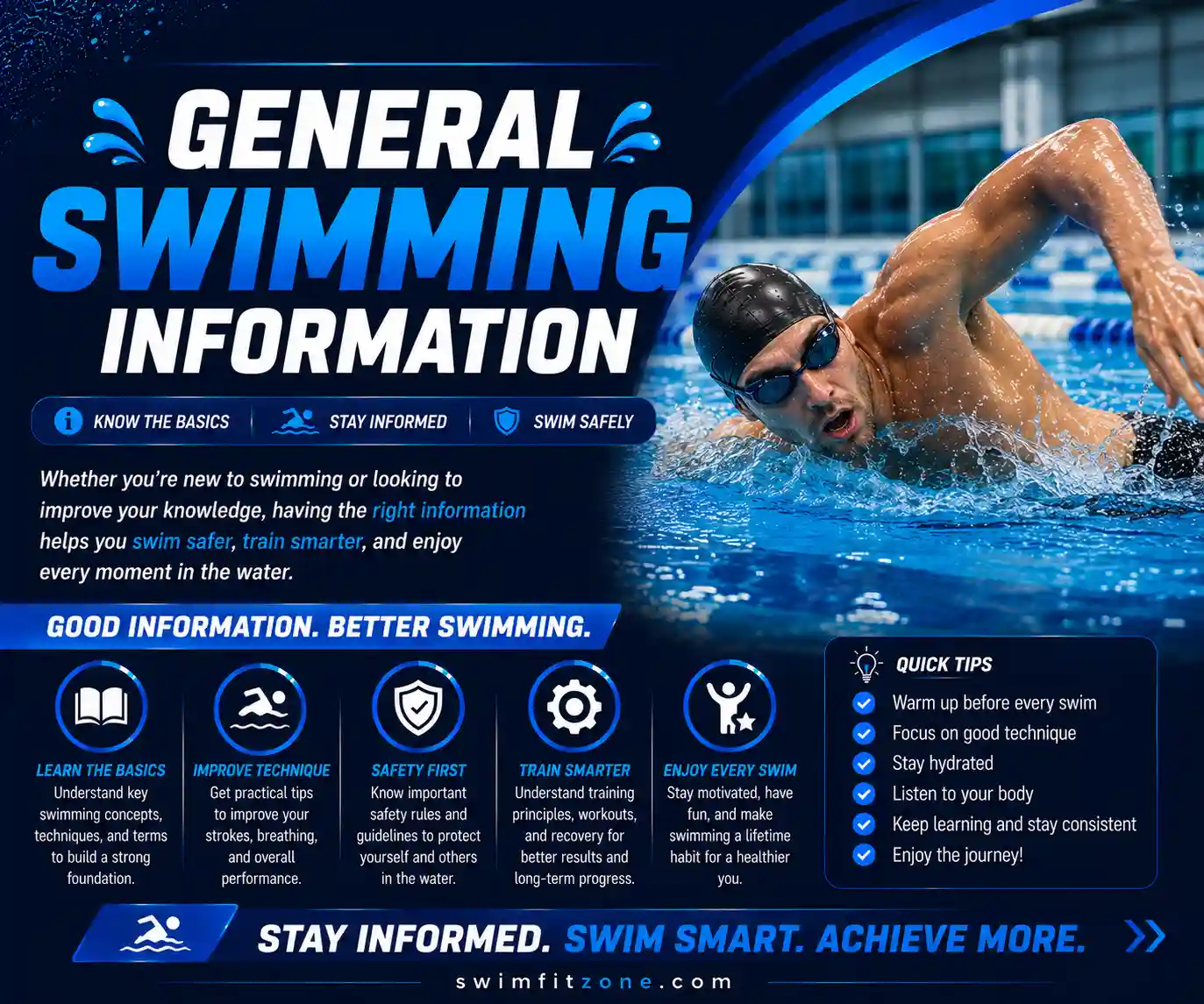
Starting something new can feel confusing, especially when there is so much advice online. Many beginners wonder where to start, what equipment they need, which swimming stroke is easiest, or whether they are too old to learn. Some people feel nervous about getting into the water for the first time, while others simply want to understand the basics before signing up for swimming lessons. If you are searching for general swimming information, you are likely looking for clear, reliable answers without complicated terms or overwhelming details. The good news is that swimming is a skill almost anyone can learn with patience, regular practice, and the right guidance.
Whether your goal is to improve your fitness, stay safe around water, spend more time with your family, or enjoy a new hobby, learning the basics is the best place to begin. From my experience, the swimmers who make the most progress are rarely the ones who learn everything in a single day. They are the ones who build confidence first, practice consistently, and improve one skill at a time. This guide gives you a complete overview of swimming, helping you understand the essentials before exploring more detailed topics like swimming techniques, workouts, safety, and training.

Key Takeaways
- Swimming is a lifelong skill that combines exercise, recreation, sport, and water safety.
- People of almost any age can learn to swim with regular practice and proper guidance.
- Learning the basics first helps build confidence and makes future progress easier.
- Simple equipment and a safe place to swim are enough for most beginners.
- Good swimming habits include proper safety, regular practice, and patience.
- This guide introduces the main topics every beginner should know before learning more advanced skills.
What Is Swimming?
Swimming is a water activity that uses your arms, legs, and body to move through the water. It is one of the most popular activities in the world because it can be enjoyed by people of different ages, fitness levels, and experience.
For some people, swimming is a fun way to relax during warm weather. Others use it to stay active, improve their health, compete in races, or learn an important life skill. Many parents also encourage their children to learn swimming because it builds water confidence and supports water safety.
Unlike many land based activities, swimming allows your body to move with the support of water. This makes it a comfortable option for many beginners and people looking for a low impact form of exercise.
If you are just getting started, learning the basics can make your first experience much easier. Our Swimming for Beginners guide covers the essential skills, water confidence tips, and beginner advice to help you start safely.
Who Is This Guide For?
This guide is helpful for anyone who wants to understand the basics of swimming.
It is especially useful if you:
- Are learning swimming for the first time.
- Want simple beginner friendly information.
- Are an adult thinking about learning to swim.
- Are a parent researching swimming for your child.
- Want to improve your confidence before taking swimming lessons.
- Are looking for a complete overview before exploring advanced swimming topics.
No matter your age or experience level, learning the basics gives you a strong foundation for future progress.
Why People Learn to Swim
People choose to learn swimming for many different reasons. While each person has a unique goal, swimming offers benefits that extend far beyond the pool.
Some of the most common reasons include:
- Staying physically active.
- Improving overall fitness.
- Learning an important life skill.
- Building confidence in the water.
- Staying safer around pools, lakes, and beaches.
- Spending quality time with family.
- Preparing for swimming competitions.
- Recovering fitness after an injury with medical guidance.
Swimming is also an activity that many people continue enjoying throughout their lives. Children can learn basic water skills from an early age, adults can start whenever they feel ready, and older adults often enjoy swimming because it places less stress on the joints than many other forms of exercise.
Learning to swim can also open the door to other water activities such as snorkeling, kayaking, paddleboarding, and recreational boating. Beyond developing water confidence, swimming is widely recognized for supporting both physical fitness and mental well being. If you want to explore these benefits in more detail, check out our Swimming for Physical and Mental Health guide.
Different Types of Swimming
Swimming is more than simply moving through the water. There are several ways people enjoy swimming, depending on their goals and interests.

Recreational Swimming
Recreational swimming is the most common type of swimming. People swim for fun, relaxation, or to cool off during warm weather. It is perfect for families, casual swimmers, and beginners who simply want to enjoy the water without focusing on speed or competition.
Fitness Swimming
Fitness swimming focuses on improving overall health and endurance. Swimmers complete laps at a comfortable pace while working on their breathing, technique, and stamina. Because water supports much of your body weight, many people choose swimming as a low impact workout that is easier on the joints.
Competitive Swimming
Competitive swimming is designed for swimmers who enjoy structured training and organized races. Athletes practice regularly to improve speed, endurance, and stroke efficiency while preparing for competitions. Even if you never plan to compete, learning proper techniques from competitive swimming can improve your overall skills.
No matter which type of swimming interests you, learning proper technique helps you become more efficient in the water. Our detailed guide to Swimming Stroke Techniques explains the fundamentals of each stroke and how to improve your overall swimming form.
Open Water Swimming
Open water swimming takes place outside traditional swimming pools in places such as lakes, oceans, rivers, and reservoirs. Unlike pools, open water conditions can change quickly because of waves, currents, weather, and water temperature. Beginners should first become confident in a swimming pool before trying open water swimming.
Water Exercise and Aquatic Therapy
Not everyone swims to complete laps. Many people join water aerobics classes or aquatic therapy programs to stay active, improve movement, or recover after certain injuries with professional guidance. Water provides gentle resistance while supporting the body, making these activities suitable for many people.
Now that you understand the different ways people enjoy swimming, the next step is learning about the four main swimming strokes and how beginners usually start building their swimming skills.
The Four Main Swimming Strokes
Learning the four main swimming strokes gives you a better understanding of how swimmers move through the water. Each stroke has its own purpose and level of difficulty. Beginners usually start with one stroke before learning the others as their confidence grows.

Freestyle
Freestyle is the most popular and fastest swimming stroke. It uses alternating arm movements with a flutter kick while the swimmer turns their head to breathe. Freestyle is often the first stroke beginners learn because it is efficient and easy to practice. If you want to improve your breathing, body position, and arm movements, explore our Freestyle Swimming Tips guide.
This stroke is commonly used for:
- Swimming lessons
- Fitness swimming
- Lap swimming
- Competitive swimming
Many beginners start with freestyle because it is efficient and easy to build on with regular practice.
Breaststroke
Breaststroke uses a frog style kick while both arms move together at the same time. It has a slower rhythm than freestyle, making it a comfortable choice for recreational swimming.
Many beginners enjoy breaststroke because they can keep their head above the water more often while learning breathing control.
Backstroke
Backstroke is performed while floating on your back. Your arms move one after the other while your legs use a flutter kick.
Since your face stays above the water, breathing feels more natural. Good body position helps you stay balanced and move smoothly through the water.
Butterfly
Butterfly is the most advanced of the four strokes. Both arms move together while the body creates a wave like motion through the water.
This stroke requires strength, coordination, and timing, so swimmers usually learn it after becoming comfortable with freestyle, breaststroke, and backstroke.
Each stroke offers different benefits, and learning them gradually helps you become a more confident and well rounded swimmer. If you are unsure which stroke to learn first, our guide on the best Swimming Strokes for Beginners compares each stroke and helps you choose the right starting point.
Swimming Stroke Comparison
| Stroke | Difficulty | Best For | Main Benefit |
|---|---|---|---|
| Freestyle | Easy | Beginners and fitness | Speed and endurance |
| Breaststroke | Easy to Moderate | Recreational swimming | Comfort and control |
| Backstroke | Moderate | Technique practice | Easy breathing |
| Butterfly | Advanced | Competitive swimming | Strength and coordination |
How to Start Swimming

Learning to swim is much easier when you take one step at a time. Instead of trying to master every skill at once, focus on building confidence before improving speed or endurance.
A simple way to get started is to:
- Choose a safe swimming pool with lifeguards if possible.
- Wear comfortable swimming gear that fits properly.
- Begin in shallow water until you feel relaxed.
- Practice floating and breathing control.
- Learn one basic stroke, usually freestyle or breaststroke.
- Consider taking lessons from a qualified swimming instructor.
- Practice regularly to improve your confidence and technique.
Everyone learns at a different pace. Regular practice and patience are much more important than learning quickly. Learning with a qualified instructor often helps beginners build confidence more quickly. Our Swim Stroke Lessons guide explains what to expect during lessons and how they can improve your progress.
If you are looking for beginner resources, lessons, or additional learning materials, USA Swimming provides helpful information for swimmers of all skill levels.
Essential Swimming Equipment
You do not need expensive equipment to begin swimming. A few basic items are enough for most beginners.

Swimsuit
A comfortable swimsuit should fit well without limiting your movement. Choosing the right fit helps you swim comfortably and confidently.
Swimming Goggles
Swimming Goggles protect your eyes and improve underwater vision. They also make it easier to practice swimming techniques without irritation from pool water.
Swim Cap
A swim cap helps keep hair away from your face and may be required at some swimming pools. It can also reduce drag while swimming.
Kickboard
A kickboard is a simple training tool often used during swimming lessons. It helps beginners practice kicking while focusing on body position and balance.
Water Bottle
Although you are surrounded by water while swimming, your body still loses fluids during exercise. Drinking water before and after swimming helps you stay hydrated.
Using the right equipment makes swimming more comfortable and enjoyable. If you are unsure what to buy, our Choosing the Right Swimming Gear guide covers the essentials for swimmers of every skill level.
Where Can You Swim?
Swimming can be enjoyed in different environments, and each one offers a different experience.
Swimming Pools
Swimming pools are the best choice for beginners because they provide calm water, marked lanes, and a controlled environment. Many public pools also have lifeguards and swimming instructors.
Lakes
Lakes offer a peaceful natural setting for swimming. Before entering the water, check local conditions, stay in designated swimming areas, and avoid swimming alone.
Oceans
Ocean swimming provides beautiful scenery but also includes waves, tides, and currents. Beginners should only swim at beaches with lifeguards and follow local safety warnings.
Rivers
Rivers can have strong currents and underwater obstacles, making them more suitable for experienced swimmers. Always understand local conditions before swimming in a river.
Health and Fitness Benefits of Swimming
Swimming is one of the few activities that improves both physical fitness and mental well being. Since it combines movement with water resistance, it provides several benefits in one activity. Swimming is one way to meet your weekly physical activity goals. The Centers for Disease Control and Prevention (CDC) explains how regular physical activity supports overall health.

Physical Benefits
Regular swimming may help:
- Improve cardiovascular fitness.
- Strengthen most major muscle groups.
- Build endurance.
- Increase flexibility.
- Improve balance and coordination.
- Support healthy weight management.
- Provide a low impact workout that is gentle on the joints.
If you want to improve your endurance and build a consistent exercise routine, our Swimming Workout Routines guide includes workouts for beginners and experienced swimmers.
Mental Benefits
Swimming also supports mental well being by helping many people:
- Feel more relaxed.
- Reduce everyday stress.
- Improve focus.
- Build confidence.
- Enjoy a sense of achievement while learning new skills.
The health benefits of swimming grow over time with regular practice, making it an activity that many people enjoy throughout their lives.
The next step is learning how to stay safe in the water, avoid common beginner mistakes, and build good swimming habits from the start.
Swimming Safety Tips
Learning how to swim is important, but learning how to stay safe in and around the water is even more important. Good safety habits help prevent accidents and make every swimming session more enjoyable.

Keep these safety tips in mind whenever you swim:
- Never swim alone, especially if you are still learning.
- Choose swimming areas with lifeguards whenever possible.
- Follow all pool and beach rules.
- Enter the water carefully instead of diving into unknown depths.
- Stay within your swimming ability.
- Rest if you feel tired or uncomfortable.
- Drink enough water before and after swimming.
- Check weather conditions before swimming outdoors.
- Watch children closely whenever they are near water.
Water safety is an important part of becoming a confident swimmer. For more detailed advice, visit our complete guide to Swimming Safety Tips, where you’ll find additional safety practices for pools and open water.
Learning basic water safety is just as important as learning how to swim. The American Red Cross offers additional guidance on staying safe around pools, lakes, rivers, and beaches.
Basic Pool Etiquette
Following simple pool rules helps create a safe and respectful environment for everyone.
- Walk instead of running on the pool deck.
- Choose a lane that matches your swimming speed.
- Let faster swimmers pass when needed.
- Rest at the end of the lane instead of blocking the middle.
- Listen to lifeguards and pool staff.
- Leave the pool area clean after your swim.
These simple habits make swimming safer and more enjoyable for everyone.
Common Beginner Mistakes
Every swimmer makes mistakes while learning, and that is a normal part of the process. Recognizing these mistakes early can help you improve faster and build better habits. Another habit that many beginners overlook is warming up before entering the water. Learn simple stretches and preparation exercises in our Swimming Warm Up Routines guide.
Trying to Swim Too Fast
Many beginners focus on speed instead of technique. It is better to swim slowly with good form than quickly with poor technique.
Holding Your Breath
Holding your breath makes swimming more difficult and causes you to become tired sooner. Practice breathing out underwater and taking calm breaths at the surface.
Looking Straight Ahead
Looking forward all the time causes your hips and legs to sink. Keeping your head in a natural position helps your body stay balanced.
Skipping the Basics
Many beginners want to learn advanced skills right away. Building water confidence, floating, and breathing control first creates a much stronger foundation.
Comparing Yourself With Others
Everyone learns at a different pace. Focus on your own progress instead of comparing yourself with experienced swimmers.
Common Swimming Myths
Swimming has many myths that can confuse beginners. Knowing the facts helps you learn with confidence.
Myth: Adults Are Too Old to Learn Swimming
Fact: People can learn to swim at almost any age. Regular practice and proper guidance help adults become confident swimmers.
Myth: Swimming Is Only for Athletes
Fact: Most people swim to stay healthy, relax, spend time with family, or enjoy a fun recreational activity.
Myth: You Need Expensive Equipment
Fact: Most beginners only need a swimsuit, swimming goggles, and access to a safe place to swim.
Myth: You Must Learn Every Stroke Immediately
Fact: Most swimmers begin with one basic stroke before learning the others. Building one skill at a time makes learning easier.
Final Thoughts
Learning about swimming is more than understanding strokes or buying the right equipment. It is about building confidence, developing safe habits, and enjoying steady progress every time you enter the water. From my experience, beginners often think they need to learn everything quickly, but the biggest improvements usually come from practicing the basics consistently. Simple skills such as floating comfortably, breathing correctly, and staying relaxed in the water make a bigger difference than trying to swim faster too soon.
Use this guide as your starting point and continue learning one step at a time. As your confidence grows, you can explore swimming techniques, improve your strokes, build endurance, and learn more about swimming safety and training. Every experienced swimmer started as a beginner, and regular practice is what turns basic knowledge into lifelong skills. Stay patient, enjoy the learning process, and celebrate every improvement you make along the way.

