



Introduction
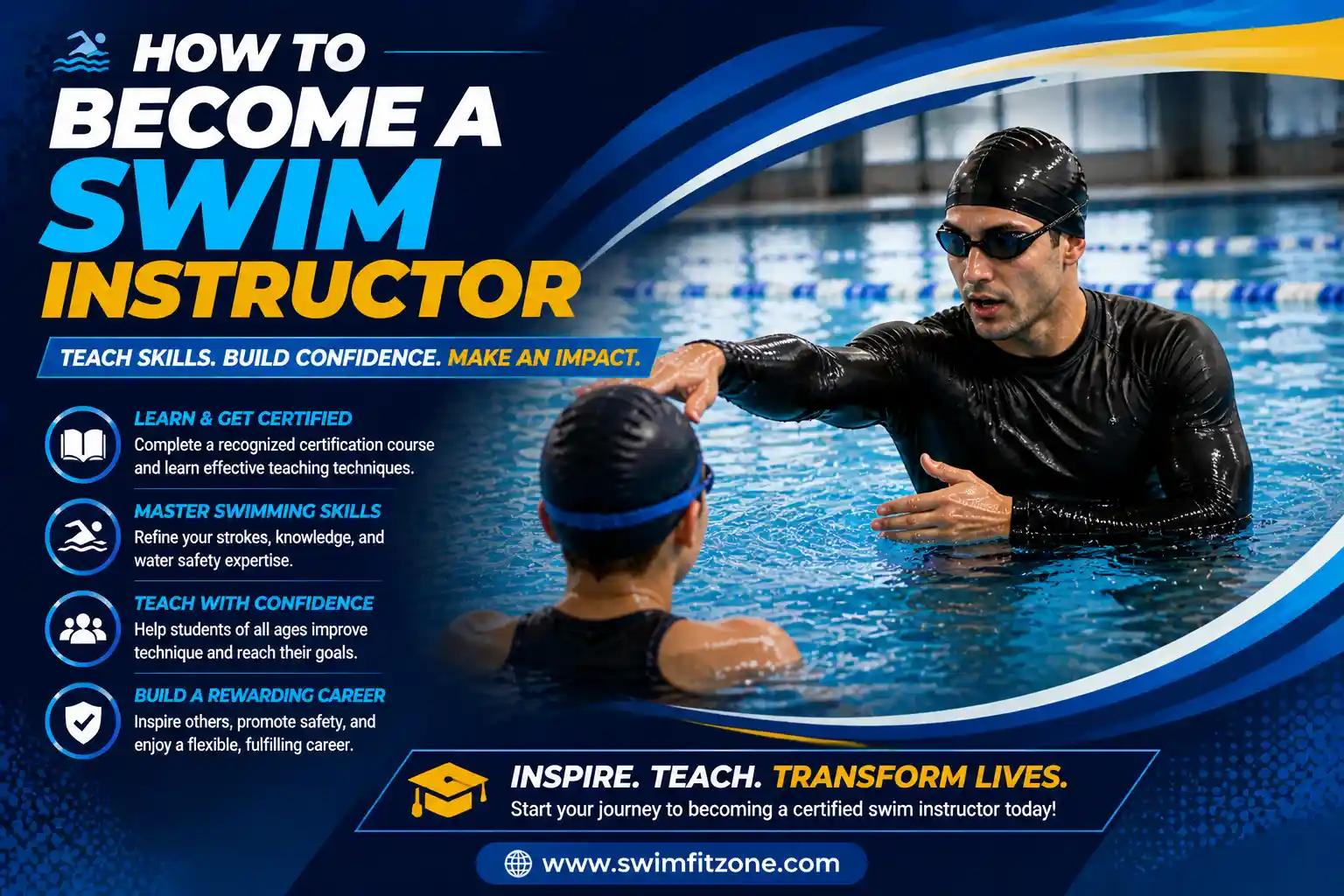
Becoming a swim instructor isn’t always as simple as loving the water. I remember my first few lessons juggling nervous kids, guiding adults who were afraid to put their face in the water, and making sure every swimmer stayed safe. It can feel overwhelming, especially if you don’t know where to start. You might be wondering which certifications to get, how much it costs, or how to even land your first job. I’ve been there, and that’s exactly why this guide on How to Become a Swim Instructor is written to give clear, real-world guidance you can trust.
What really matters is not just knowing strokes but being confident in teaching them safely. Over the years I’ve taught dozens of students from toddlers learning to float to adults conquering their fear of deep water. This experience showed me that preparation, proper certification, and practical teaching skills make all the difference. By following this guide, you’ll know every step, from choosing the right certification to starting your first lesson, so you can begin your journey as a swim instructor with confidence.

Why Become a Swim Instructor
Being a swim instructor is more than a job. You get to make a difference in people’s lives. You help kids gain confidence in the water and teach adults to swim safely. You can work part-time, full-time, or even build a long-term career. Some instructors eventually start their own swim schools. Others specialize in competitive coaching or adult lessons. Teaching swimming is rewarding, and it offers flexible career paths for anyone willing to put in the work.
Who Can Become a Swim Instructor
You don’t need a college degree to become a swim instructor, but you do need some basic requirements. You should be at least 16 years old for most certifications, and a confident swimmer capable of front crawl, backstroke, breaststroke, and floating. Communication, patience, and safety awareness are critical. Some programs require CPR and first aid certification. Lifeguard training is optional but can improve job prospects, especially at public pools or community centers.
Types of Swim Instructor Jobs

Not all instructors do the same work. Some common roles include:
- Pool or community center instructor teaching group lessons
- Private swim coach giving one-on-one lessons
- Competitive coach training athletes for competitions
- Adult learn-to-swim instructor for beginners
- Special needs instructor for children or adults with disabilities
Each role may require slightly different skills and certifications. Knowing which path you want helps you choose the right training and plan your career.
Certification and Training Options
There are several main certifications in the USA. There are several main certifications in the USA. The American Red Cross Water Safety Instructor (WSI) certification is one of the most widely recognized credentials for teaching swimming and water safety lessons in the United States. Here’s a clear comparison:
| Certification | Age Minimum | Swim Skills Required | Duration | Cost (USD) | Target Group | Recertification |
|---|---|---|---|---|---|---|
| Red Cross BSI | 16+ | Basic floats, 25 yd swim | 2–3 days | 200–400 | Kids & adults | 2 years |
| Red Cross WSI | 16+ | Multiple strokes, treading | 2–3 days | 300–500 | All levels | 2 years |
| YMCA Swim Instructor | 16+ | 25 yd swim | 2 days | 150–350 | Kids & adults | Varies |
| USMS ALTS | 18+ | Competent adult swim | 1 day | 150–300 | Adults | N/A |

Some programs are fully in-person, while others use a mix of online and in-person training. Organizations such as the YMCA swim instructor training program offer both traditional classroom learning and blended formats that combine online coursework with practical pool instruction. Check each program for prerequisites, schedules, and what group you want to teach.
Step-by-Step Roadmap

Follow this roadmap to start your swim instructor career:
- Check prerequisites: age, swim skills, CPR/first aid.
- Choose a certification: pick based on your focus on kids, adults, or both.
- Complete training: attend classes, learn lesson planning, and practice teaching.
- Pass the certification test: swim tests, teaching evaluation, and safety exams.
- Find a job or start teaching: pools, private lessons, or community programs.
- Grow your career: specialize, coach competitively, or open a swim school.
This roadmap helps you avoid confusion and ensures you get real-world teaching experience.
Costs and Time Estimates
Most certification courses take 1–3 days plus practice time. Costs range from 150 to 500 USD depending on the program. CPR and first aid certifications add another 50–100 USD. Keep in mind that some programs require recertification every 2 years to stay current. Budgeting both time and money is essential before starting your first lessons.
Adult Swim Lessons and Specialization

Teaching adults is different from teaching children. Adults may be nervous or have never swum before. The USMS ALTS program focuses entirely on adults. Specialization can also include infants, children with special needs, or competitive swimmers. Choosing a niche can help you stand out and earn more.
Practical Job Preparation

Before your first lesson, consider these steps:
- Volunteer or shadow an experienced instructor.
- Create a resume highlighting certifications and swim experience.
- Prepare lesson plans and teaching materials.
- Consider liability insurance if teaching privately.
Local and State Considerations
Rules vary by state. Some may require background checks, pool operator permits, or liability insurance. Most states do not have a specific license for swim instructors. Always check with your local facility or city pool before starting lessons.
Key Takeaways
- Check age and swim skill requirements before enrolling.
- Choose certification based on your target group: kids, adults, or both.
- CPR and first aid training is often required.
- Gain practical experience by volunteering or shadowing experienced instructors.
- Keep certifications current with recertification and continuing education.
Drill Summary Table
| Age Group | Lesson Focus | Key Tip |
|---|---|---|
| Toddlers | Water comfort and floating | Use toys and songs to engage students |
| Kids 5–10 | Basic strokes and safety | Short sessions with frequent breaks |
| Teens/Adults | Stroke technique and confidence | Start in shallow water, build trust |
Frequently Asked Questions
1. What certifications do I need to become a swim instructor?
Most instructors choose Red Cross BSI or WSI. Adults teaching adults often use USMS ALTS. YMCA certifications are also valid. Pick the program that matches the group you want to teach.
2. How long does it take and how much does it cost?
Courses take 1-3 days. Costs range from 150 to 500 USD. CPR and first aid training adds 50–100 USD. Red Cross certifications usually require renewal every 2 years.
3. What skills should I have before starting?
Confident swimming, basic strokes, floating, and treading water. Most programs expect a 1-minute float on your back and 25-yard swim. Communication and patience are critical.
4. Where can I find swim instructor jobs?
Community pools, YMCA centers, private swim schools, and online private lesson platforms. Volunteering or shadowing helps gain experience.
5. Can I specialize or advance my career?
Yes. You can teach adults, infants, special needs students, or competitive swimmers. Career growth options include head instructor, competitive coach, or owning a swim school.
Final Thoughts

Becoming a swim instructor is more than learning strokes. It is about creating confidence and safety in the water. From my own experience, the first few weeks teaching are the hardest. Every lesson teaches you something new. Knowing how to handle a nervous child or encourage an adult who has never swum before is what separates a good instructor from a great one. With the right certification, understanding of safety rules, and practice, you can make a real difference.
Every swim instructor faces challenges, from planning lessons to keeping students motivated. But over time, seeing students succeed and gain confidence in the water is incredibly rewarding. If you follow this guide on How to Become a Swim Instructor, combined with real-world experience and patience, you can build a fulfilling career in swimming. The effort pays off personally and professionally.

