



Introduction
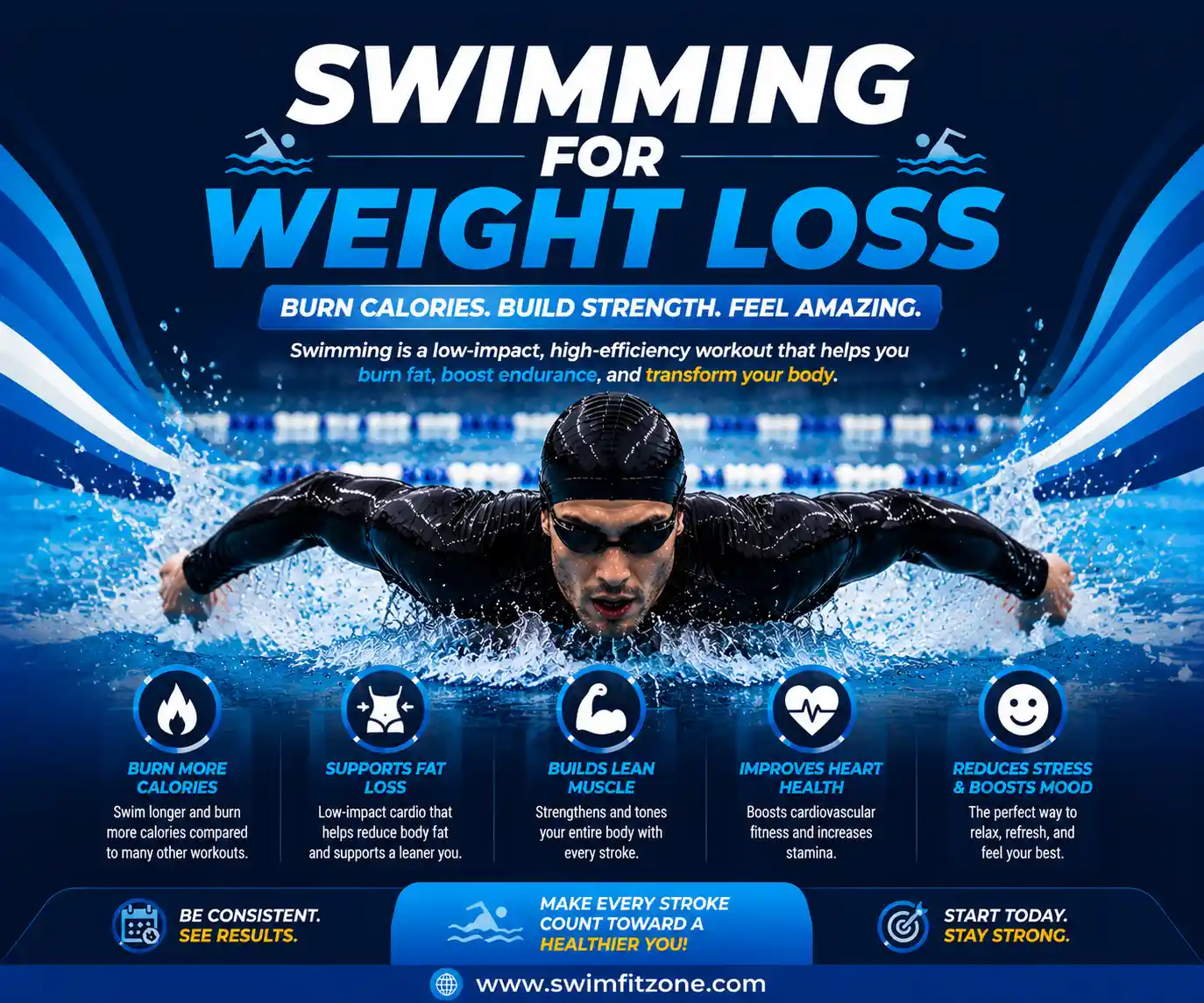
Losing weight can feel frustrating. You may spend hours at the gym or go for runs, only to see minimal results or deal with joint pain. That’s exactly why I started swimming. After struggling with knee discomfort and hitting plateaus from traditional workouts, I discovered that swimming for weight loss wasn’t just gentle on my joints, it actually burned calories efficiently and worked every muscle in my body.
Here’s the thing: not all swimming sessions give you results. Over the past few years, I’ve tested different strokes, durations, and intensity levels. I’ve learned what truly helps burn fat, stay consistent, and enjoy the process. In this article, I’ll share actionable plans, nutrition tips, and real-world strategies from my own experience and trusted sources so you can use swimming for weight loss effectively without wasting time or effort.

How Swimming Helps You Lose Weight
Swimming burns calories because water creates resistance. Your muscles have to work harder than on land. What this really means is that even moderate swimming can burn a lot of energy.
Different strokes burn different amounts of calories. Freestyle and butterfly use more muscles and burn more calories than breaststroke or backstroke.
Swimming also improves your metabolism. After a swim, your body continues to burn calories for a while. That’s why it’s more than just the time you spend in the pool.
How Much Weight Can You Lose Swimming?
Weight loss comes from burning more calories than you eat. Swimming helps, but it won’t work if you overeat. Here’s a rough guide:
- 30 minutes of moderate freestyle: burns 250-300 calories
- 30 minutes of vigorous butterfly: burns 400-500 calories
- 60 minutes of mixed strokes: burns 500-700 calories
Combine this with a healthy diet, and you can lose 1-2 pounds per week safely.
Swimming vs Land Exercise
Here’s how swimming compares to common exercises:
- Swimming: 200-400+ calories/30 min, low impact, full-body workout
- Running: 300-450 calories/30 min, high impact, stress on joints
- Walking: 100-200 calories/30 min, low impact, beginner-friendly
- Cycling: 200-350 calories/30 min, low impact, lower-body focus
Swimming is a low-impact, full-body option that works well for beginners and those with joint issues.
Best Swimming Strokes for Fat Loss

Here’s how strokes compare for weight loss:
- Freestyle (Front Crawl): Fast, full-body, burns a lot. Good for beginners and advanced swimmers. Learning proper Swimming Stroke Techniques can help you move more efficiently through the water and maximize calorie burn. These Freestyle Swimming Tips can also help improve breathing, body position, and swimming efficiency.
- Butterfly: Harder but burns the most calories. Best for short, intense sessions. Beginners should ease into it.
- Backstroke: Easier on the shoulders. Burns fewer calories but works your back and core.
- Breaststroke: Slower, low-impact. Good for endurance and beginners. It is often included among the Best Swimming Strokes for Beginners because of its simple rhythm and comfortable breathing pattern.
Mix strokes to work different muscles and keep workouts interesting.
Regular Swimming Stroke Drills can help refine technique and make each workout more effective.
How Often Should You Swim?
Before starting any workout session, follow proper Swimming Warm-Up Routines to prepare your muscles and reduce the risk of fatigue.
Consistency is key. Here’s a simple weekly plan:
- Beginner: 3 sessions of 20-30 minutes
- Intermediate: 4 sessions of 30-45 minutes
- Advanced: 5 sessions of 45-60 minutes
Add intervals. Swim fast for a few laps, then slow down to recover. It boosts calorie burn and keeps workouts effective.
Weekly Progression Plan

Beginner Plan
Weeks 1-2: Swim 3 times per week for 20-30 minutes. Focus on freestyle and backstroke to get comfortable in the water.
Weeks 3-4: Add 10 minutes to each session and include intervals (short bursts of faster swimming) to increase calorie burn.
As your workouts become longer, learning How to Improve Swimming Endurance can help you maintain speed and stamina throughout each session.
Weeks 5-6: Increase to 4 swims per week. Introduce butterfly and moderate-intensity laps for more challenge.
Weeks 7-8: Swim 5 times per week. Mix all strokes and increase interval intensity for better fat-burning results.
Intermediate Plan
- Swim 4-5 times per week, 30-45 minutes per session.
- Alternate between moderate and vigorous intensity.
- Include 1-2 interval-focused sessions per week for higher calorie burn.
Advanced Plan
- Swim 5-6 times per week, 45-60 minutes per session.
- Mix all strokes and include HIIT (High-Intensity Interval Training) in sessions.
- Track distance, pace, and calories to monitor progress.
Swimming Intensity Guide
- Easy: You can talk comfortably; use for recovery.
- Moderate: Hard to talk continuously; steady pace.
- Vigorous: Short breath; push pace; burns most calories. Beginners should limit this.
Nutrition Tips for Swimmers
What you eat matters. Here’s how to support your swimming for weight loss:
- Before swimming: light carb snack, like a banana
- After swimming: protein + carbs, like yogurt and fruit
- Drink water before, during, and after workouts
- Avoid high-calorie snacks immediately after swimming
Post-Swim Appetite Tips
Swimming can increase hunger. Try:
- Drink water first to stay hydrated
- Eat a balanced meal within 45 minutes
- Avoid sugary snacks after swimming
- Include protein and complex carbs for recovery and fat loss
Tracking Progress

- Measure distance and laps
- Track time and pace
- Use a watch or app to track calories
- Keep a simple log of sessions and feelings
Tracking helps you see improvements and stay motivated.
Consistent tracking can also highlight areas where Swimming Technique Improvement may help you swim more efficiently.
Common Mistakes to Avoid
- Swimming too slow without challenging yourself
- Not tracking calories or overeating after swimming
- Sticking to one stroke all the time
- Skipping rest days
Avoid these mistakes for better fat-loss results.
Key Takeaways
- Swimming helps burn calories and lose weight.
- Use different strokes and swim at different speeds.
- Track your workouts to see progress.
- Eat healthy to support weight loss.
- Stay consistent and avoid overeating.
Beginner Safety and Water Confidence
- Start with basic breathing and gliding practice
Consider Swimming Lessons for Beginners if you are not yet comfortable with basic water skills.
- Practice kicking with a kickboard
- Use goggles and a swim cap
- Swim with a buddy or near a lifeguard
Motivation and Mindset
Weight loss takes time. Swimming is fun, but it needs consistency. Set small goals. Celebrate progress, not just the scale. Focus on energy, strength, and better mood as signs of success.
Swimming also reduces stress. Feeling relaxed helps you stick to healthy habits.

Drill Summary Table
| Level | Days/Week | Duration | Intensity | Notes |
|---|---|---|---|---|
| Beginner | 3 | 20–30 min | Moderate | Mix freestyle & backstroke |
| Intermediate | 4 | 30–45 min | Moderate + Vigorous | Add intervals |
| Advanced | 5–6 | 45–60 min | Vigorous + HIIT | Mix all strokes, track metrics |
FAQs
Q1: How often should I swim to lose weight?
Beginners can start with 3 times per week, 20-30 minutes each. Intermediate swimmers aim for 4-5 sessions, and advanced swimmers 5-6 times weekly. Consistency matters more than duration in the first few weeks.
Q2: How long should each swim session be?
Start with 20-30 minutes if you’re new. Gradually increase to 30-45 minutes for intermediate and 45-60 minutes for advanced swimmers as your stamina improves.
Q3: Do I need to swim fast to lose weight?
Not always. Mixing moderate and vigorous intensity works best. Include intervals, short bursts of fast swimming, to maximize calorie burn without overexertion.
Q4: Which strokes burn the most calories?
Butterfly burns the most, followed by freestyle. Backstroke and breaststroke burn fewer calories but help build endurance and strengthen different muscles. A mix of strokes is ideal for fat loss.
Q5: When will I see results?
With consistent swimming and a balanced diet, most people notice changes in 4-6 weeks. Tracking distance, pace, and calories helps monitor progress and adjust your plan.
Final Thoughts
Swimming for weight loss isn’t just about getting in the pool; it’s about strategy, consistency, and listening to your body. From my own experience, combining interval swimming with a balanced diet and tracking progress has been the game-changer. Mixing strokes, controlling intensity, and being mindful of meals after swimming accelerates fat loss without stressing joints or risking burnout.
If you stick with a plan, track your sessions, and focus on gradual progress, swimming can be one of the most enjoyable and effective ways to lose weight. From beginners to experienced swimmers, these methods will help you burn fat, tone muscles, and feel healthier overall. Take it from someone who has been there, the pool can be your most effective weight-loss ally when approached smartly.

